
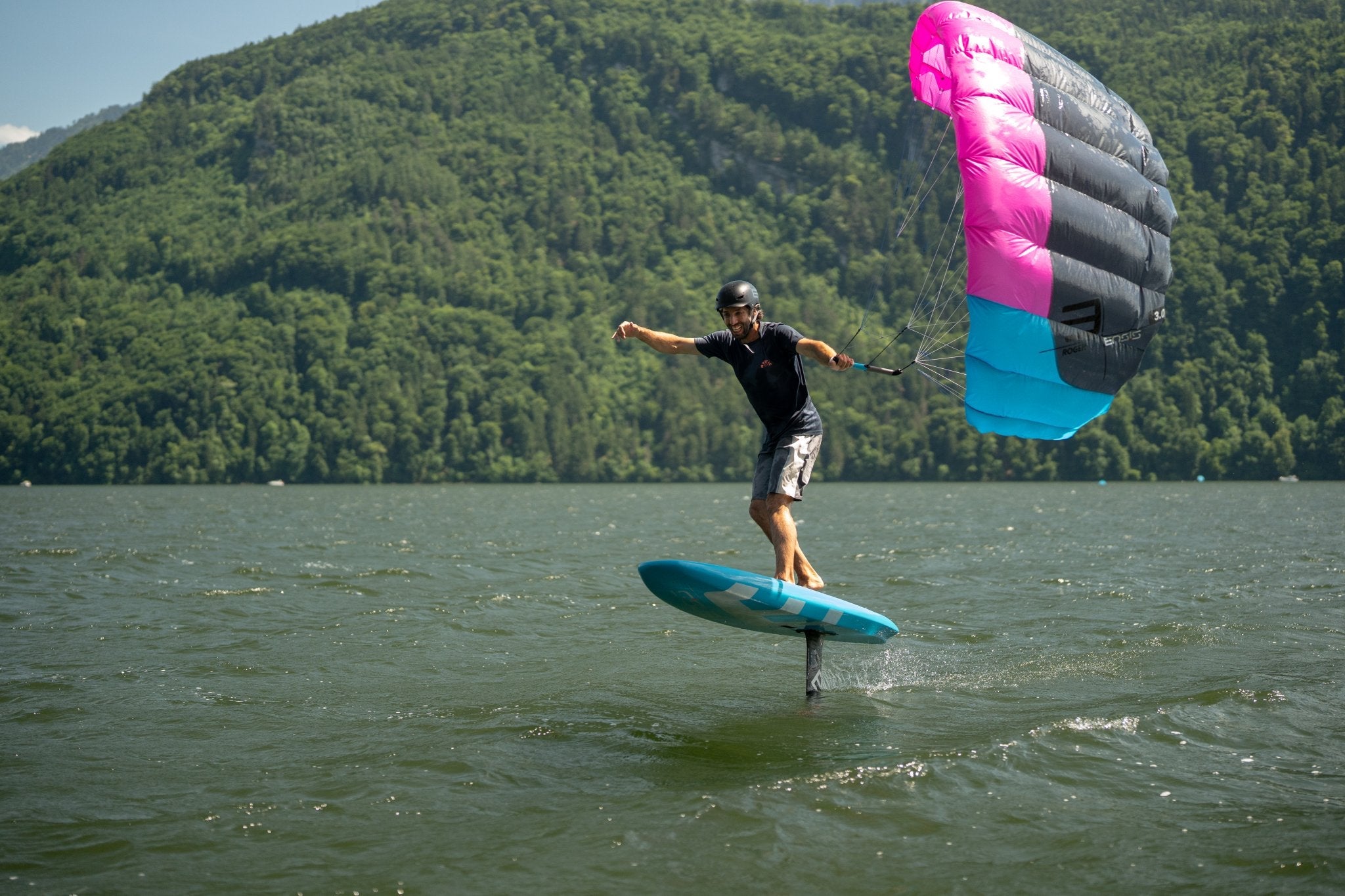
Michi “Rawham” Näf hosted a parawinging clinic in Switzerland, aimed at teaching complete beginners how to get started. Over the course of the weekend, he guided 12 new riders through the basics of parawinging, from equipment setup to flying technique and their first sessions on the water.
We caught up with Michi after the camp to talk about common mistakes beginners make, and what helps fast-track the learning process.
About the camp
Michi arranged everything: the boat, the gear - even the wind (although that last one didn’t fully show up on time).

The training started on land, which is a key part of learning to parawing. Getting comfortable with handling the wing before heading out is essential. Luckily, parawings require very little wind to fly, so even in light conditions, everyone could get used to flying, steering and untangling lines and bridles.

Once everyone was familiar with the wing on land, the focus shifted to equipment setup. Michi made sure each participant had the right board and foil combination. A good setup makes a big difference.

After ground training and gear checks, it was time to hit the water. Riders were towed upwind to make sure they didn’t need to worry about staying upwind while learning. That way, they could focus on board handling, controlling the parawing, and practicing stowing the parawing once up on foil.

The wind didn’t deliver its full potential, but it was enough to get everyone flying and give them a solid introduction to parawinging.
Learning to parawing – common mistakes

We asked Michi what he sees as the most common mistakes beginners make when learning to parawing, and how to avoid them. Here’s what he had to say:
Overhandling
Compared to kites and inflatable wings, parawings need very little input to stay stable. Beginners tend to oversteer, which can make the wing unstable or stall.
Parawings are fairly good at self-stabilizing, so the best thing you can do in the beginning is hold on with one hand, fly it overhead, and let it do its thing. Avoid trying to “drive” the wing - less is more when it comes to steering.
Equipment choice
Getting the right equipment is essential. Parawings don’t work the same way as kites or wings when it comes to generating power. You can’t “pump” them to get going - their pull is steady and consistent.
This makes board and foil choice really important. A mid-length or downwind-style board with enough volume gives you the glide and balance you need to build speed. Pair it with a foil that lifts early and easily.
Choosing the right parawing size also matters – go bigger if you’re unsure. Having a little extra power makes a big difference when you’re learning.
Conditions
Conditions play a huge role in your learning experience. Choose a wide-open area with plenty of space, especially downwind, because that’s where you’ll be heading.
Make sure the wind is strong enough for your wing size, and that you’re not too underpowered. Light wind can work for ground handling, but getting on foil needs proper conditions.
Get comfortable on land first
Before going near the water, take time to practice untangling lines and understanding how to manage the bridles. You want to feel confident handling the parawing before adding the extra challenge of balancing on a board.
What gear did they use?

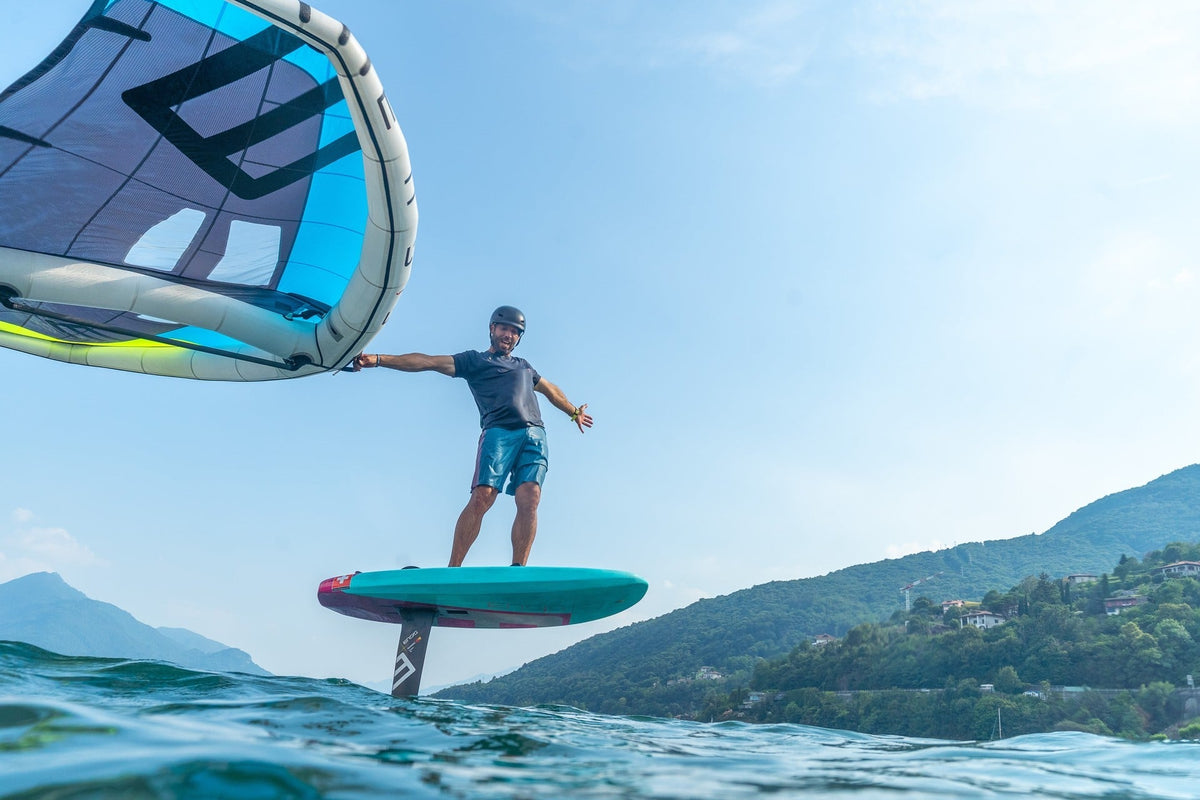
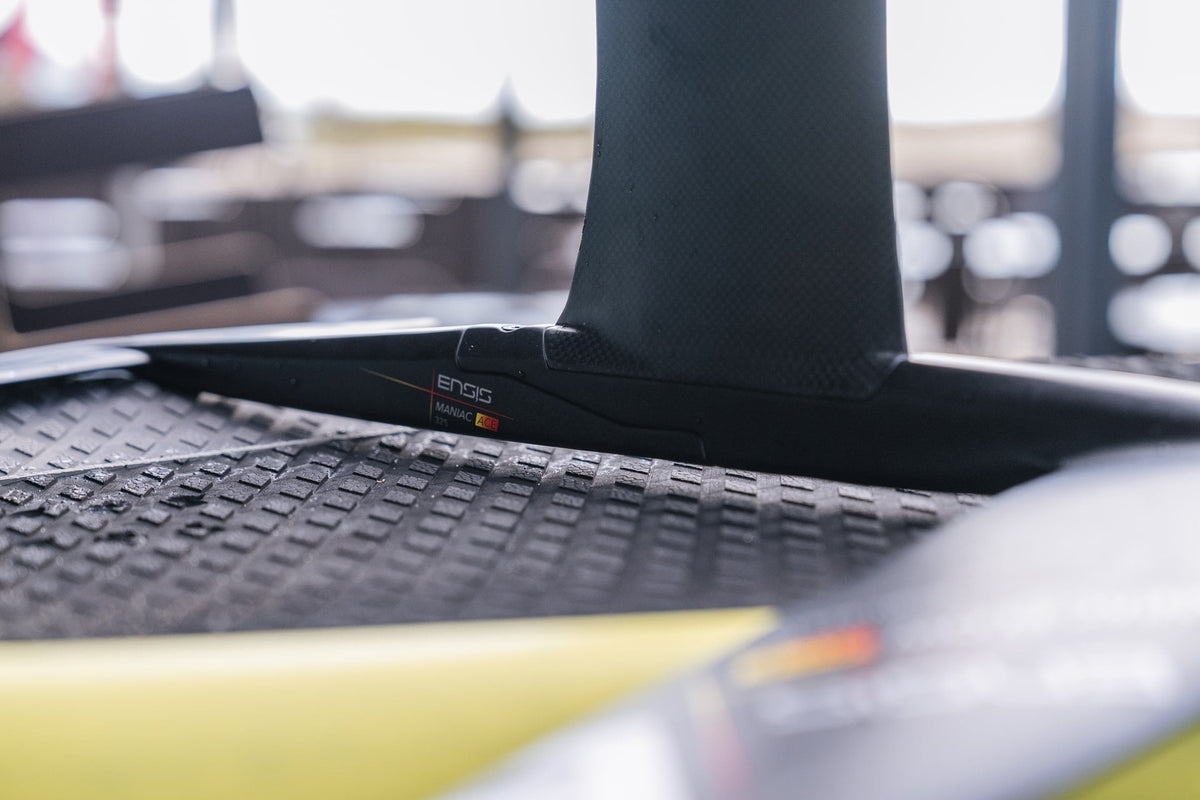
At the camp, the riders used the ENSIS JIVE, a mid-length board that’s ideal for parawinging. It has sharp rails that help hold direction and build board speed, while the pin tail makes it easier to pump and get up on foil. For foils the used they ENSIS MANIAC RANGE and used the STRIDE ACE, PACER and INFINITY ACE range depending on rider skill level. They paired this with the ENSIS ROGER. The ROGER is easy to fly, and thanks to its simple handling. it’s forgiving for first-time users. Together, the JIVE, ENSIS MANIAC FOILS and ROGER 2 create a setup that’s perfectly suited for learning.
About Michi

Michi “Rawham” Näf is incredibly passionate about foiling but is also an incredibly good rider, and is no stranger to teaching. With Laura Rudolph, he runs Foil Youth Mania ( read more here ), a Swiss foiling club for young riders interested in foiling.
Michi regularly hosts camps and creative foiling events around Switzerland. Keep an eye on ENSIS and Michi’s social media for news about future clinics and camps.
Share:
Get on the Water with an ENSIS Wing Foil Set!
ENSIS Demo Day in Cremia, Lake Como