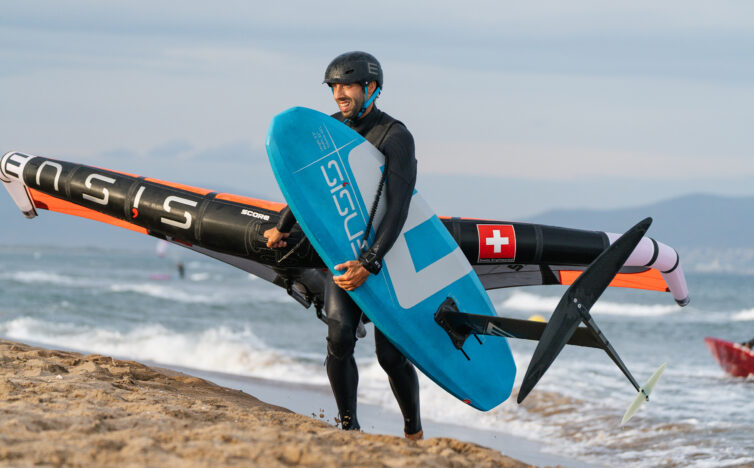
ENSIS Foils Explained – Understanding Hydrofoils

Learning about Hydrofoils can feel complex at first. Shape, size, profiles, and numbers are often mentioned, but rarely explained in a simple way. With our ENSIS Foils Explained series, we want to slow things down and break these topics into clear, easy to understand ideas.
In this ongoing tech talk series, Jan Pütz walks through key hydrofoil concepts step by step. Each video focuses on one topic, explains the terminology, and connects theory to how a foil actually feels on the water. This page will be updated weekly as new videos are released, giving you one place to revisit and deepen your understanding of hydrofoils.
Aspect Ratio and Glide Explained
Watch the video:
Aspect ratio is one of the most talked about foil terms, but it is often misunderstood. In this episode, Jan explains aspect ratio as the relationship between a foil’s span and its surface area, and how this shape influences glide. A higher aspect ratio reduces induced drag by limiting the size of the vortices created at the wing tips. This is why high aspect foils feel smoother, more efficient, and able to carry speed for longer once they are flying.
Why does a hydrofoil fly?
This is episode 2 of Understanding Foils: Why does a foil fly? Jan Pütz explains how a foil generates lift and what principles of aerodynamics make foiling possible. From pressure differences to flow dynamics, this episode breaks down the science in a simple way.
Why does a hydrofoil sing or whistle?
In Episode 3 of Understanding Foils we answer why do some foils whistle or “sing”? Jan Pütz breaks down the hydrodynamic and aerodynamic causes of foil noise and what vibrations, edges, and design features have to do with it. A fascinating deep-dive into the physics behind foil sound.
What is Camber in Foil Design?
Episode 4 of Understanding Foils – What is Camber in Foil Design? Camber plays a major role in how a foil lifts, accelerates, and handles. In this episode, Jan Pütz explains what camber is, how it affects performance, and why different foil profiles feel completely different on the water.
Looking for your next Foil? Check out the ENSIS foil range!