Mastering the Conditions: Light Wind Wingfoiling
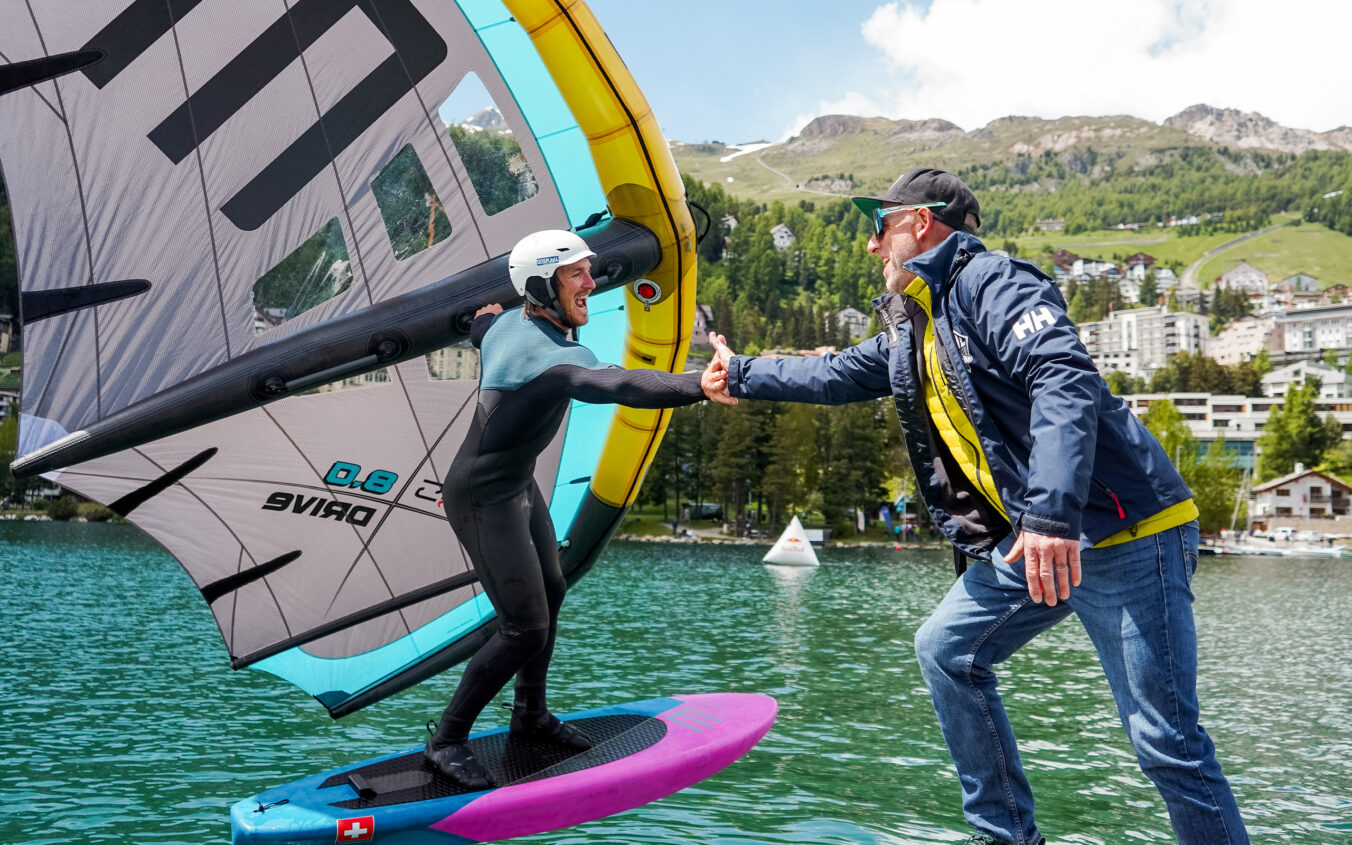
Today we’re going to go over gear choices and general tips to maximise your light wind sessions – what matters most, what matters less, and how to get the most out of marginal days.
Light wind means different things to different riders. For some, it’s about extending the range of their current equipment. Maybe you really enjoy a certain foil, board, or wing size and want to adjust the rest of your setup so you can use that favourite piece in lighter conditions. For others, light wind means riding in less than 10 knots while the water is still glassy. That is where things become specialised, and you need to pull out all the stops.
All of your equipment matters in light wind, but some changes are far more impactful than others.
Board Choice

Let’s start with the board. Assuming you have the skill level, volume is important, but length is often even more important.
For wingfoiling, you should at least match your body weight in litres. If you are an intermediate rider, going slightly above your body weight in volume makes things easier. However, when it comes to getting up in light wind, board length plays a major role because there are two components at work: active take off and passive board speed.
Active take off is your pumping motion with your legs to generate speed. Passive board speed comes from the board’s length and waterline. A longer board increases glide and naturally builds speed with less effort. Both are working toward the same goal – reaching the lift speed of the foil.
A longer board increases passive speed, which reduces how hard you need to pump. That said, this does not mean you should simply grab the longest board you can find. It is about balance. This is exactly why the ENSIS JIVE exists. It increases board length for boardspeed while keeping a pin tail design that allows an efficient and controlled active take off. By contrast, the WALTZ was designed as a SUP foil downwind board and prioritises maximum board speed and glide, which is why it is significantly longer. Different tools for different jobs.
A small bonus tip: because of foil leverage , you can improve board speed by moving your foil further back in the foil box. This makes active take offs easier by giving you more leverage over the front wing and makes it easier to build board speed.
Foil Choice

Foil choice is also extremely important and slightly less complicated. In general, bigger makes life easier in light wind. However, it is not only about surface area. Wingspan and efficiency play a huge role.
The STRIDE ACE will get up in almost nothing. That said, the foil you already ride in moderate conditions, such as the INFINITY ACE 1150 or 990, will likely get you most of the light wind performance you would need. Many riders underestimate how capable their current foil is when paired with the right board and technique.
Unless you truly want to specialise in sub 10 knot riding, do not overthink this part. But as a general rule, a slightly larger and more efficient foil will make light wind sessions more enjoyable.
Wing Choice

Wing choice is likely the most complicated decision because it directly relates to how you like to ride in light wind.
If you prefer passive take offs and early lift with minimal pumping, a bigger wing like the DRIVE makes sense. If you enjoy active take offs, pumping onto foil, and riding a more playful setup, you can absolutely get away with a smaller wing.
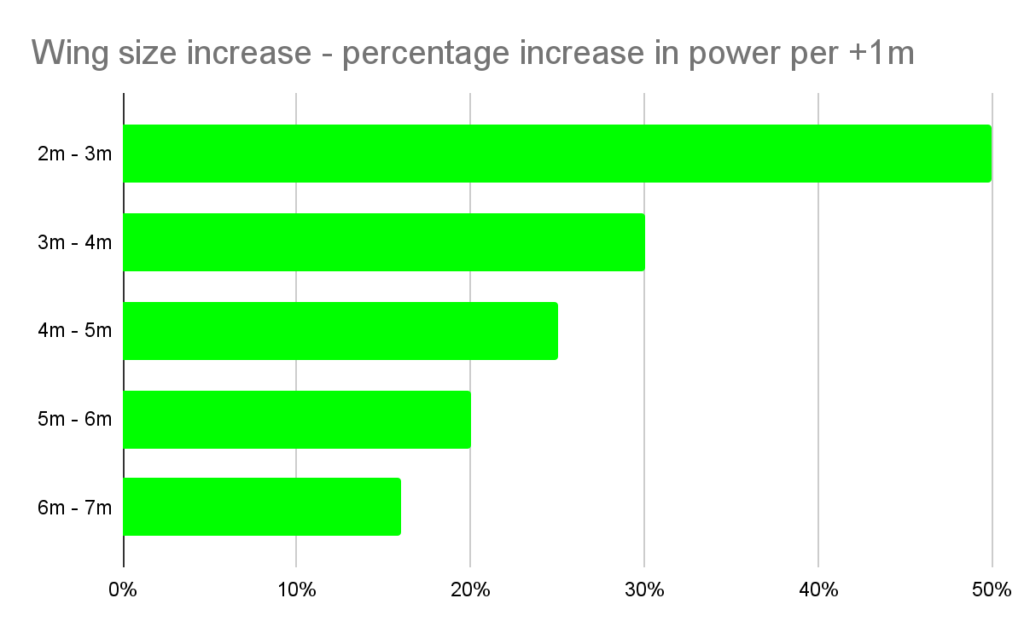
A useful concept to understand is how wing size increases actually work. Power is closely linked to surface area. When you increase wing size by 1m, you are adding roughly the same amount of area each time. However, the percentage increase changes depending on where you start.
Going from 4m to 5m is a 25% increase in area. From 5m to 6m is a 20% increase. From 6m to 7m is roughly a 16% increase. Even though each step is “just 1m”, the relative jump becomes smaller as the wings get larger.
The same works in reverse. Moving from 3m to 4m is a 33% increase. From 2m to 3m is a 50% increase. That is why small wings feel dramatically different from one size to the next, while larger wings feel closer together.
As the wind drops, you do need more area to compensate, but only up to a point. There is a light wind sweet spot. Take 8 knots as an example benchmark. For many riders on an efficient foil, both a 5m and an 8m wing can work. The difference is how you ride them. The 5m requires more active pumping and timing, while the 8m allows a more passive take off.
However, if the wind drops further from 8 knots to 6 knots, the situation changes dramatically. Wind power decreases much faster than most riders realise. At that point, going bigger in wing size does not help.
This is why simply going bigger is not always the answer. There is a window where light wind riding feels efficient and achievable. Below that window, it becomes increasingly technical and specialised, regardless of wing size.
So at the end wing size choice is often tied to your weight and prefered riding style If you like easy, passive take offs, an 8m DRIVE might be perfect. If you prefer a more active style, you might find a 5m TOPSPIN is all you need.
Interested in anything wing or foil?
If you’re into wingfoiling or foiling and want to stay updated on events, demos, or the latest ENSIS gear, follow us on social media or check out our DEMO DAY page for upcoming opportunities. Whether you’re just getting started or looking to level up, our experienced team and worldwide retailers are here to help. Reach out to learn more or find an ENSIS retailer near you!